Case Study
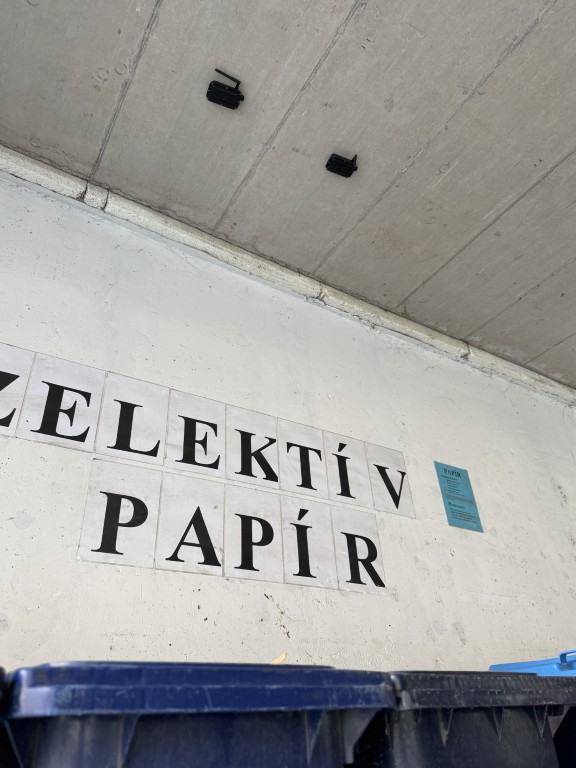
1. Measuring the saturation of paper collection containers
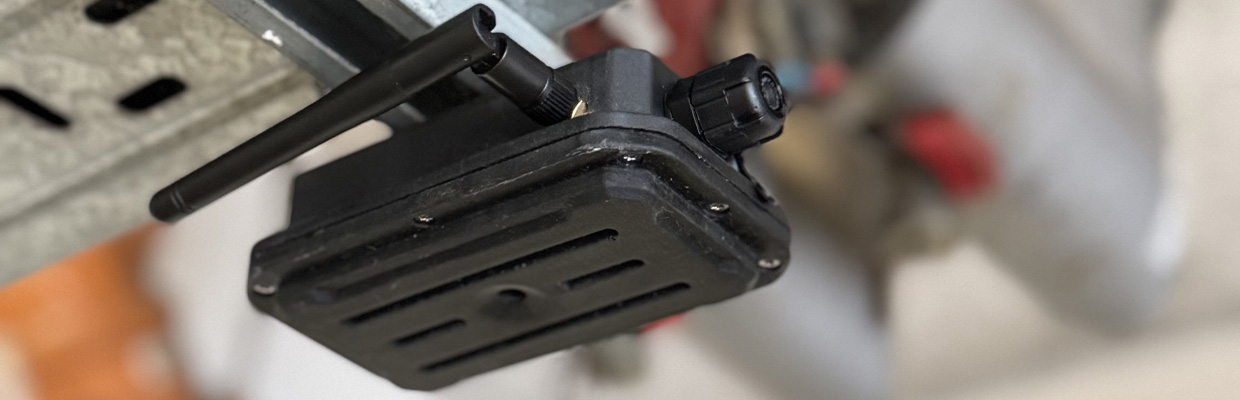
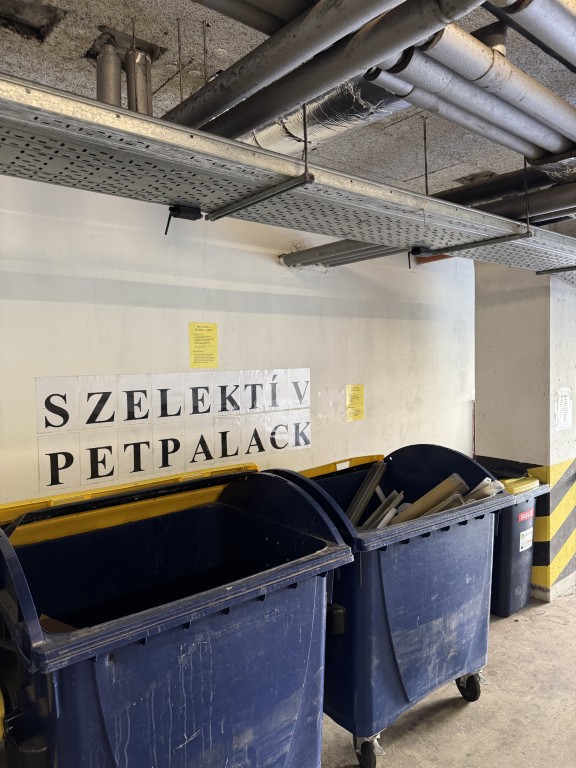
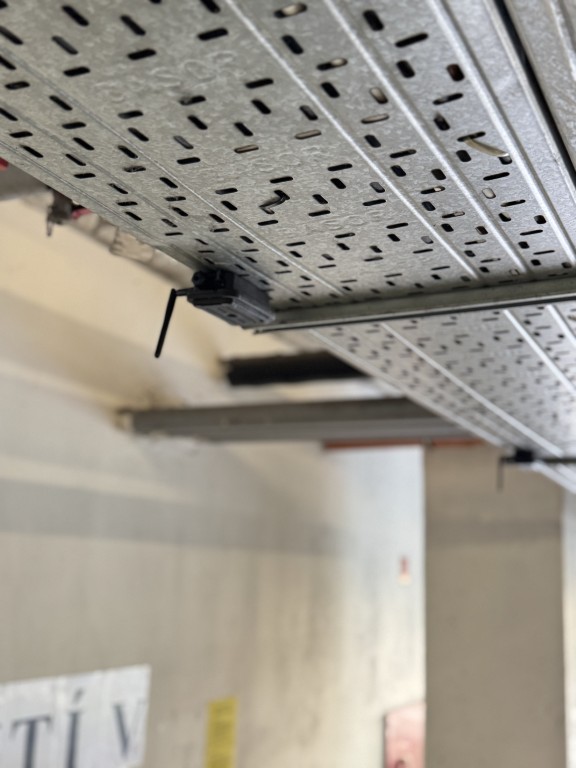
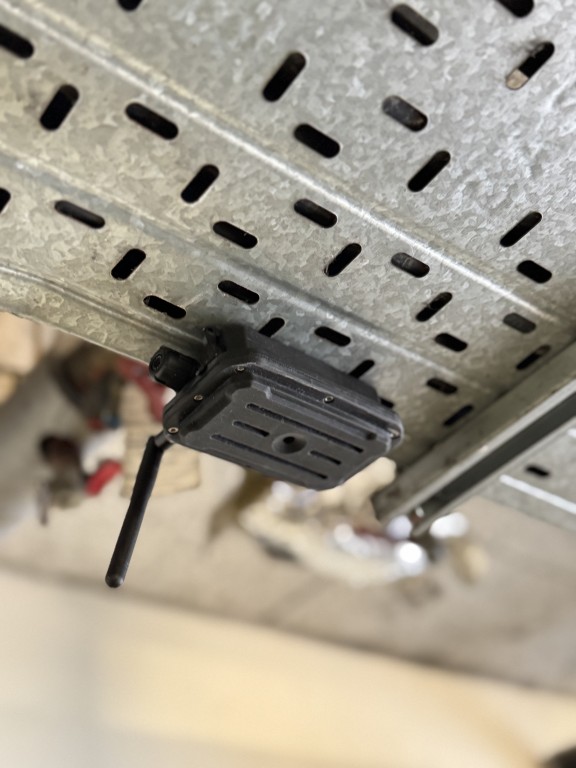
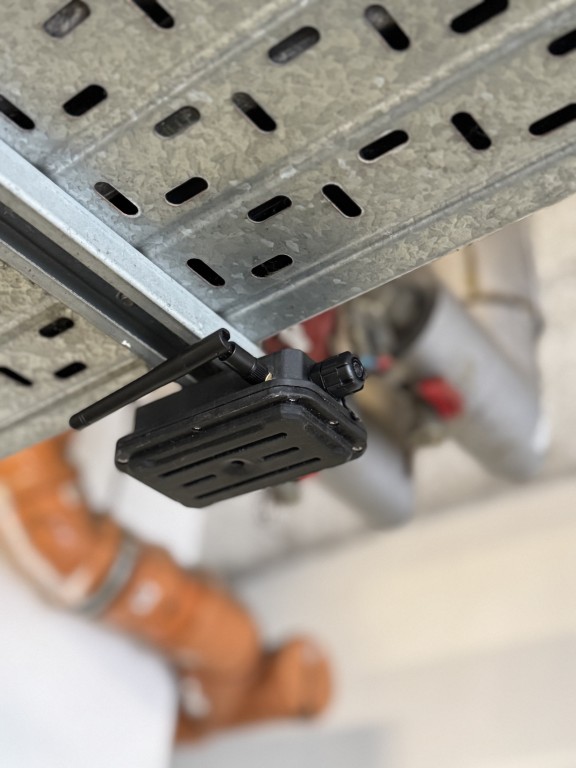
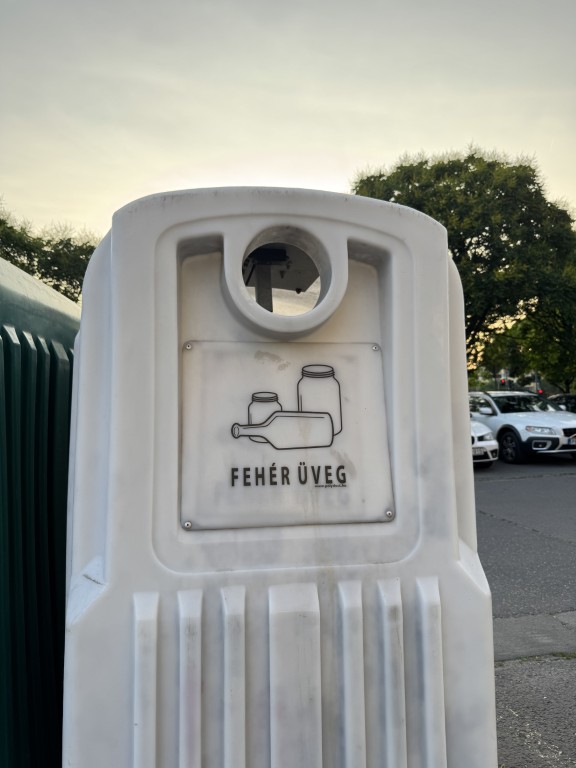
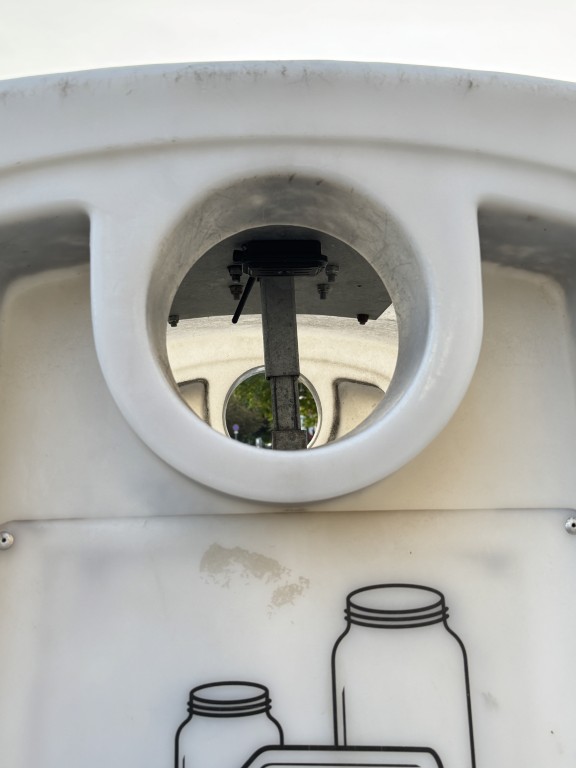
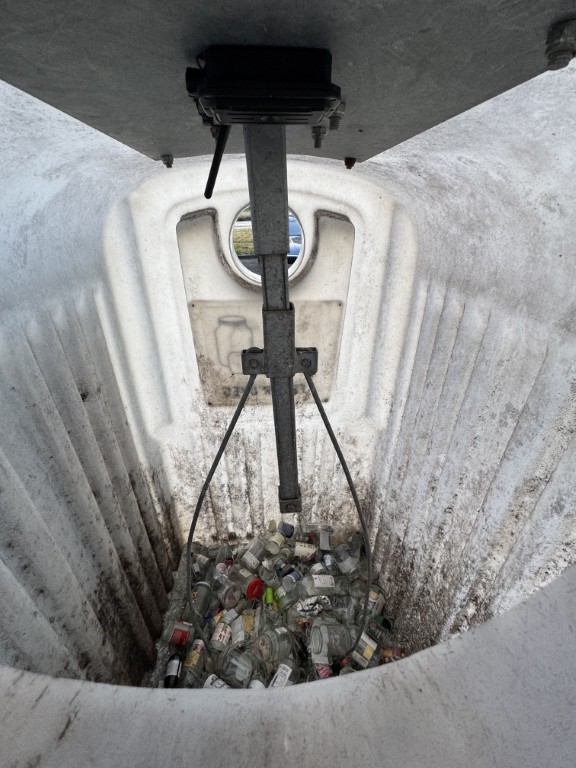
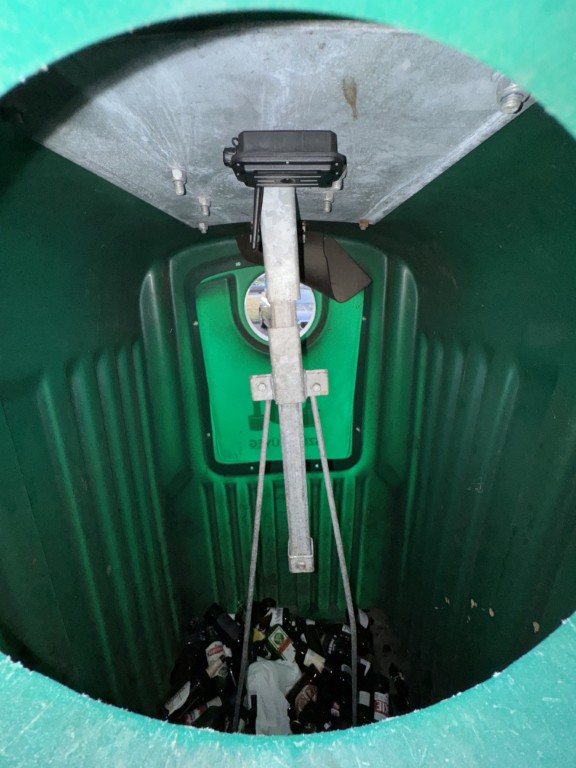
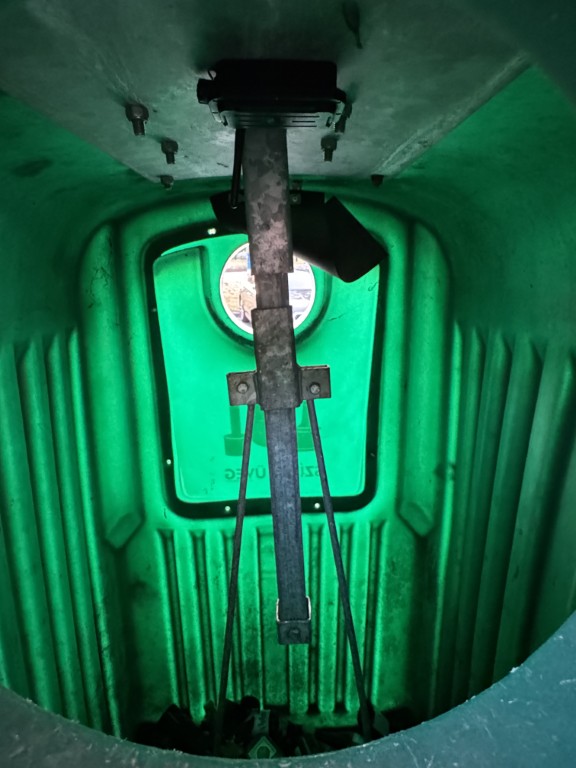
The system uses a laser saturation sensor installed in a waste paper collection container to continuously monitor the container's saturation level. The measurement directly detects the height and volume of the waste paper, so that it can be accurately determined when emptying is required. Based on the data, the intelligent route planner optimises the route of the waste collection vehicles, minimising emptying costs and environmental impact. The temperature and fire alarm function provides safety to prevent fires.
2. Measuring the saturation of plastic waste collection containers
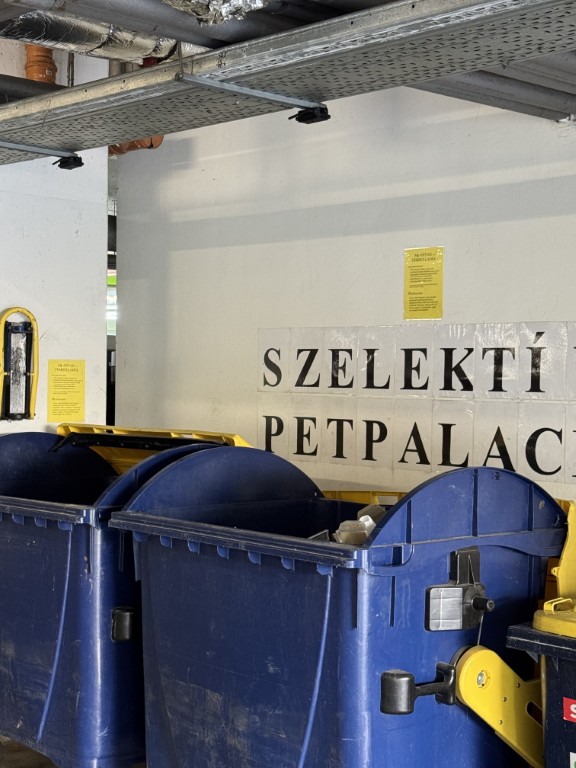
Laser sensors installed in plastic waste collection containers continuously measure the container saturation. The measurement is non-contact, so the level of different plastic shapes and packaging can be accurately determined. This information allows the emptying frequency to be adjusted, avoiding unnecessary emptying and reducing logistics costs. Door opening detection and tipping detection help to monitor the condition of containers in real time.
3. Textile waste collection container saturation measurement
Laser saturation measurement can also be applied to textile waste collection containers to help monitor the amount of waste at any given time. The sensor does not require direct contact, so the detection point remains clean and the layering of the different textile stacks can be measured accurately. The system sends an alarm when the container is full and the route planner can be used to optimise the collection schedule.
4. Measurement of liquid levels in collection containers
For liquids, instead of laser distance measurement, ultrasonic or radar-based sensors can be integrated into the system for accurate level measurement. The intelligent system can indicate changes in liquid level in real time, preventing overflow or low level conditions, for example in industrial or agricultural tanks. A built-in temperature sensor and alarm system increases safety, especially for flammable or hazardous liquids.
5. Measure the level of grain or other storage silos from a distance of up to 30 metres
For large grain or other storage silos, the system uses long-range laser or FMCW radar sensors to accurately measure the level from up to 30 metres away. This remote, non-contact measurement allows continuous monitoring of the silo status without the need for access or manual measurement. Intelligent data management and flexible software upgrades enable fast and efficient monitoring of status changes.
6. Monitoring small parking areas with sensors
In a small car park, the system is inexpensive to install as it works with wireless, rechargeable sensors that can be charged by solar panels. Once installed, these devices provide long life operation, minimising maintenance requirements. The system indicates the occupancy of parking spaces in real time. Thus maximising its utilisation.